
Beyond Reading a Chart: What Happens During a Comprehensive Eye Exam at Ella Eyes
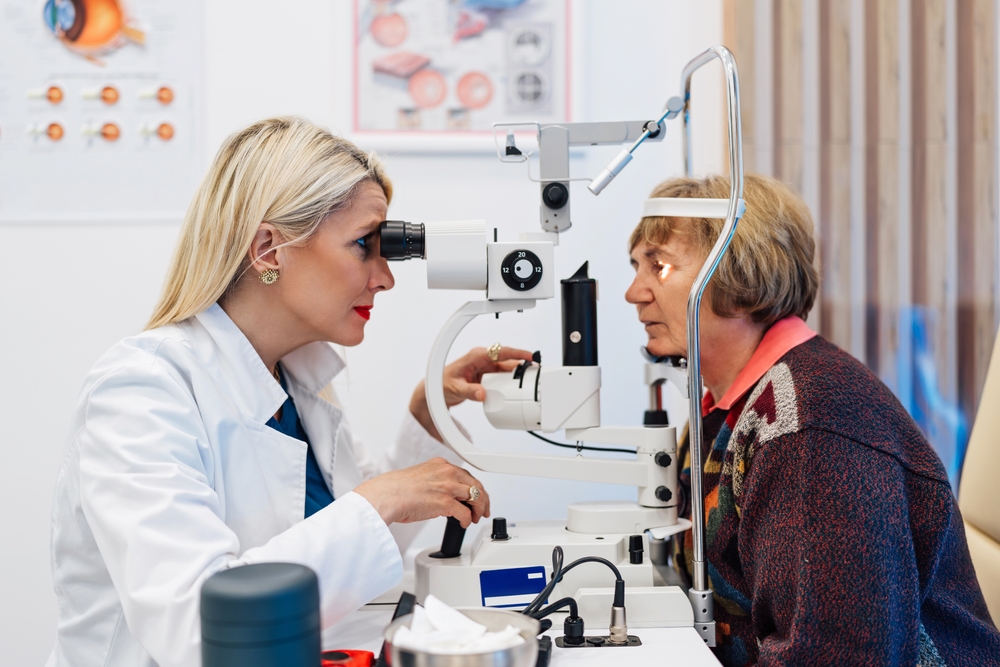
Reading letters from an eye chart is an important part of an eye exam, but it only measures one aspect of your vision. A comprehensive eye exam evaluates how clearly you see, how your eyes work together, and whether the internal and external structures of your eyes appear healthy. At Ella Eyes in Houston, we take the time to assess your vision and eye health so that any recommendations are based on your individual needs.
Reviewing Your Vision And Health History
Your appointment typically begins with a conversation about your vision, general health, family medical history, and current concerns. Tell our team about symptoms such as blurry vision, headaches, eye strain, dryness, flashes, floaters, or difficulty seeing at night.
Certain health conditions, medications, and family risk factors can also affect your eyes. This information helps our Houston optometrists determine which tests and recommendations may be appropriate.
Measuring How Clearly You See
The familiar eye chart is used during a visual acuity test to measure how clearly you can see at different distances. We test each eye separately because one eye may be compensating for changes in the other. Even if you can read the smallest line, additional testing is still necessary. Clear vision does not always mean that your eyes are free from developing health concerns.
Determining Your Prescription
A refraction test helps determine whether you have nearsightedness, farsightedness, astigmatism, or age-related focusing changes. During this portion of your comprehensive eye exam, you will compare different lens options and identify which choices provide the clearest, most comfortable vision. If you already wear glasses or contact lenses, we will check whether your current prescription continues to meet your needs.
Evaluating Your Overall Eye Health
A comprehensive eye exam in Houston may include several tests that look beyond vision clarity:
• Eye pressure testing to check for indicators associated with glaucoma
• Examination of the retina and optic nerve
• Evaluation of the cornea, lens, eyelids, and other eye structures
• Assessment for signs of cataracts, macular degeneration, diabetic eye disease, and other conditions
• Testing of eye focusing, movement, and coordination when appropriate
Many eye conditions can develop gradually without causing obvious early symptoms. Regular exams give your optometrist an opportunity to identify changes and recommend appropriate monitoring, treatment, or additional care.
Discussing Your Results And Recommendations
After testing is complete, our optometrist will explain the findings and answer your questions. Recommendations may include an updated glasses or contact lens prescription, lifestyle changes, treatment for an eye condition, or a schedule for follow-up visits.
The frequency of your eye exams will depend on factors such as your age, prescription, symptoms, medical history, and risk of eye disease. Patients with diabetes, a family history of eye conditions, or existing vision concerns may need more frequent monitoring.
Schedule your comprehensive eye exam with Ella Eyes to take a proactive step toward clearer vision and long-term eye health. Contact our office in Houston, TX, by calling (713) 722-9066 to book an appointment.
Helpful Articles
All Eye Care Services
Find personalized eye care excellence with our comprehensive services. From eye exams to advanced diagnostics, trust us for all your vision needs.

Keep In Touch
For non-urgent questions or to learn more about our services, contact us today!

- Monday 10:00am - 7:00pm
- Tuesday Closed
- Wednesday 10:00am - 7:00pm
- Thursday 10:00am - 6:00pm
- Friday 10:00am - 6:00pm
- Saturday 10:00am - 3:00pm
- Sunday Closed
© 2026 Ella Eyes. All rights Reserved - Accessibility Statement - Privacy Policy - Sitemap
Managed and Designed by 