
FAQ: Eye Exams in Houston, TX
At Ella Eyes in Houston, TX, we provide thorough eye exams designed to evaluate your vision, update your prescription, and identify signs of eye conditions that may not cause immediate symptoms. Our team takes the time to understand your concerns and provide personalized recommendations based on your eye health and daily visual needs. Below are frequently asked questions on eye exams.
1. What happens during an eye exam?
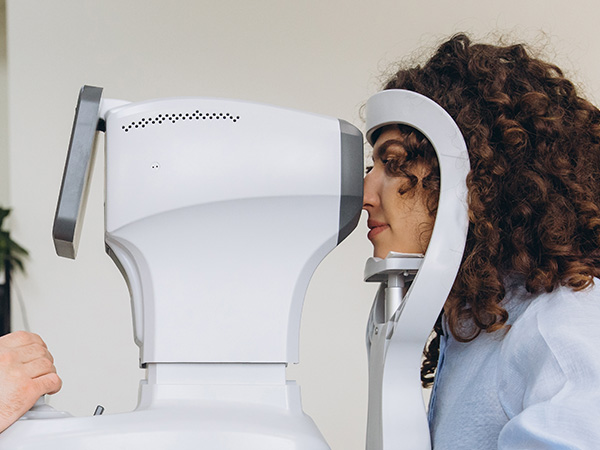
During an eye exam at our Houston, TX office, we assess your visual clarity, prescription, eye coordination, focusing ability, eye pressure, and overall eye health. We also examine important internal and external eye structures to look for changes that may require monitoring or treatment.
2. How often should I schedule an eye exam?
The recommended schedule depends on your age, prescription, health history, symptoms, and risk factors. Many patients benefit from annual eye exams in Houston, TX. We may recommend more frequent visits if you wear corrective lenses, have diabetes, or are being monitored for an eye condition.
3. Why do I need an eye exam if my vision seems clear?
Clear vision does not always mean your eyes are healthy. Some eye conditions develop gradually and may not cause noticeable symptoms at first. At Ella Eyes in Houston, TX, we evaluate both your eyesight and the health of your eyes so potential concerns can be identified early.
4. Can an eye exam detect eye disease?
Yes, a comprehensive eye exam in Houston, TX can reveal signs of glaucoma, cataracts, macular degeneration, diabetic eye disease, and other conditions. Our optometrists examine the retina, optic nerve, eye pressure, and additional structures to determine whether further testing, treatment, or monitoring is needed.
5. What is the difference between an eye exam and a vision screening?
A vision screening typically checks whether you can see clearly at a distance, but it does not provide a complete evaluation of eye health. Our eye exams include prescription testing and a detailed assessment of how your eyes function and whether signs of disease are present.
6. How long does an eye exam take?
The length of an eye exam at our Houston, TX office depends on the testing required and whether you have specific concerns. Most appointments provide enough time for us to complete the necessary tests, discuss our findings, and answer questions about your vision, prescription, or treatment recommendations.
7. What should I bring to an eye exam in Houston, TX?
When visiting Ella Eyes in Houston, TX, bring your current glasses, contact lenses, identification, insurance information, and a list of medications. It is also helpful to share details about previous eye conditions, surgeries, family eye health history, and any vision changes you have noticed.
8. Do eye exams include dilation?
Dilation may be recommended during an eye exam depending on your age, symptoms, medical history, and eye health. Dilating the pupils allows us to examine the retina and optic nerve more thoroughly. We will explain whether dilation is appropriate before completing the test.
9. Will an eye exam update my glasses prescription?
Yes, we check your current vision and determine whether your glasses prescription needs to be adjusted during an eye exam. We consider visual clarity, eye comfort, work demands, screen use, driving needs, and other daily activities when discussing your prescription.
10. Is a contact lens exam included with an eye exam?
A contact lens evaluation involves additional measurements and testing beyond a standard eye exam. We assess the shape and health of your eyes, review lens options, and evaluate how the contacts fit. Let our team know when scheduling if you wear or want contact lenses.
11. When should children have eye exams?
Children should receive eye exams regularly. We evaluate visual clarity, focusing, tracking, eye coordination, and eye health. Detecting vision concerns early can help support classroom performance, reading, sports, and daily activities.
12. Are eye exams important for people with diabetes?
Yes, diabetes can affect the blood vessels in the retina and increase the risk of serious vision problems. Regular eye exams at our Houston, TX office allow us to check for diabetic eye changes and recommend appropriate monitoring or coordination with other healthcare providers when necessary.
13. How often should older adults receive eye exams?
Older adults should generally schedule regular eye exams in Houston, TX because the risk of cataracts, glaucoma, macular degeneration, and other eye conditions increases with age. We recommend an exam schedule based on your health history, current findings, medications, symptoms, and individual risk factors.
14. Does insurance cover eye exams?
Coverage for eye exams in Houston, TX varies depending on your vision or medical insurance plan and the reason for your visit. Our team can help review the information available for your plan, but we also recommend contacting your insurance provider to confirm benefits, copayments, and eligibility.
15. Why should I choose Ella Eyes for an eye exam in Houston, TX?
At Ella Eyes in Houston, TX, we provide thorough eye exams with personalized attention and clear recommendations. We take the time to understand your vision concerns, evaluate your overall eye health, and recommend solutions based on your prescription, lifestyle, and individual needs.
To schedule an eye exam or learn more about our personalized vision care, contact Ella Eyes in Houston, TX, at (832) 843-2727. Our team will help you arrange the right appointment for your vision and eye health needs.
Helpful Articles
All Eye Care Services
Find personalized eye care excellence with our comprehensive services. From eye exams to advanced diagnostics, trust us for all your vision needs.

Keep In Touch
For non-urgent questions or to learn more about our services, contact us today!

- Monday 10:00am - 7:00pm
- Tuesday Closed
- Wednesday 10:00am - 7:00pm
- Thursday 10:00am - 6:00pm
- Friday 10:00am - 6:00pm
- Saturday 10:00am - 3:00pm
- Sunday Closed
© 2026 Ella Eyes. All rights Reserved - Accessibility Statement - Privacy Policy - Sitemap
Managed and Designed by 